
Physical fitness is often reduced to numbers such as body weight, step count, or time spent at the gym. However, these metrics alone do not explain whether a person is actually improving their health or performance. Many individuals, from students undergoing fitness assessments to professionals building careers in the fitness industry, struggle to understand what these measurements truly indicate.
To interpret fitness data correctly, it is necessary to look beyond surface-level metrics and examine how factors like cardiovascular capacity, training intensity, and structured goal setting work together. Areas such as fitness testing, exercise science, and training frameworks provide the foundation for evaluating progress and making informed decisions.
By connecting concepts like youth fitness assessments, aerobic conditioning, lifestyle habits, and industry roles, it becomes easier to understand how physical fitness is measured, developed, and applied in both personal health and professional environments—structured in a way similar to Yonyx Interactive Decision Trees to break down complex concepts step-by-step.
Summary
- Clear explanations of key fitness concepts, training terms, and health factors commonly discussed in physical fitness
- Coverage of fitness goals, exercise methods, and assessments used to evaluate strength, endurance, and overall performance
- Insights into fitness-related careers, including roles such as coaches, influencers, and fitness professionals
- Explanations of training practices, lifestyle habits, and health considerations that influence physical fitness and long-term performance
1. What is the presidential fitness test?
The Presidential Fitness Test is a school program that measures physical fitness in students aged 6–17. It includes activities like a one-mile run, sit-ups, pull-ups or push-ups, a shuttle run, and a flexibility test. Originally introduced in 1956, it was discontinued in 2013 but is planned to return in 2025 to address declining youth fitness levels in the United States.
2. Describe how a multistage fitness test works and what it is intended to do.
The multistage fitness test, also known as the beep test, measures cardiovascular endurance and aerobic fitness. Participants run back and forth between two markers placed 20 meters apart, following timed audio beeps that gradually increase in speed.
- Participants run between two markers placed 20 meters apart in a flat area
- They must reach the marker before each beep while running continuously
- The time between beeps becomes shorter at each stage, requiring faster running
- The test stops when the participant fails to reach the marker before the beep twice in a row
- The highest level and shuttle completed are recorded to estimate aerobic capacity and track fitness progress
3. After completing a fitness evaluation, what steps should you take to improve your performance?
After a fitness evaluation, you should review your results and create a plan to improve your weaker areas. This includes setting clear goals, following a structured workout routine, and regularly tracking your progress.
- Analyze results: Identify strengths and areas that need improvement, such as endurance, strength, or flexibility.
- Set clear goals: Create realistic and measurable fitness goals
- Develop a training plan: Include cardio, strength training, and flexibility exercises
- Stay consistent: Follow a regular workout schedule
- Monitor progress: Reassess your fitness every few weeks and adjust the plan if needed
- Prioritize recovery and nutrition: Allow time for rest and maintain a healthy diet to support performance
4. What is the purpose of a fitness log?
A fitness log is used to record and track workout activities, helping individuals monitor their progress and stay consistent with their fitness routine. It allows people to evaluate performance and make adjustments to improve results.
- Track workouts: Record exercises, sets, reps, duration, and intensity
- Monitor progress: Observe improvements in strength, endurance, or performance over time
- Maintain consistency: Helps build regular exercise habits
- Identify patterns: Shows what training methods work best or need improvement
- Set and review goals: Helps measure progress toward fitness goals
Fitness Concepts & Components
5. Explain how the components of skill-related fitness are interrelated and how each is of importance
Skill-related fitness components include agility, balance, coordination, power, reaction time, and speed. These components work together to improve movement efficiency and athletic performance in sports and everyday activities.
- Agility: Ability to quickly change direction while maintaining control
- Balance: Ability to maintain stability when standing still or moving
- Coordination: Ability to smoothly combine different body movements
- Power: Ability to produce strong, explosive movements such as jumping or throwing
- Reaction Time: The speed at which the body responds to a stimulus
- Speed: Ability to move the body quickly from one place to another
Improving these components together enhances overall performance, since many physical activities require several of them to work at the same time.
6. What are the 5 components of fitness?
The five components of health-related physical fitness are cardiovascular endurance, muscular strength, muscular endurance, flexibility, and body composition. Together, they support overall health, improve physical performance, and reduce the risk of chronic diseases.
- Cardiovascular endurance: The ability of the heart and lungs to supply oxygen during activities like running, swimming, or cycling
- Muscular strength: The maximum force a muscle can produce in a single effort, such as lifting weights
- Muscular endurance: The ability of muscles to perform repeated movements or sustain activity over time
- Flexibility: Range of motion in joints that allows smooth and injury-free movement
- Body composition: Ratio of body fat to lean mass, including muscles, bones, and organs
A balanced fitness routine that includes aerobic exercise, strength training, and stretching helps improve all five components.
7. What is cardiorespiratory fitness?
Cardiorespiratory fitness (CRF) is the ability of the heart, lungs, and blood vessels to deliver oxygen to muscles during sustained physical activity. It reflects how efficiently the body performs aerobic exercise such as running, cycling, or swimming.
- Definition: The ability of the circulatory and respiratory systems to supply oxygen to working muscles
- Body function: Involves efficient breathing, oxygen exchange, and blood circulation
- Health impact: Higher CRF is linked to better heart health and lower risk of chronic diseases
- Measurement: Often assessed through a VO₂ max test, which measures maximum oxygen use during exercise
- Improvement: Can be developed through regular aerobic activities like walking, cycling, or swimming
8. What is evolutionary fitness?
Evolutionary fitness refers to an organism’s ability to survive, reproduce, and pass its genes to the next generation within a specific environment. It is mainly measured by reproductive success, meaning how many offspring survive and reproduce.
- Reproductive success: Number of offspring that survive to reproduce
- Relative fitness: Comparison of one organism’s genetic contribution to others in the population
- Environmental influence: Traits that increase fitness in one environment may not work in another
- Key components: Survival, the ability to find a mate, and producing viable offspring
- Absolute vs. relative fitness: Absolute fitness counts total offspring, while relative fitness compares success within a population
In simple terms, evolutionary fitness describes how effectively an organism passes its genes to future generations.
9. What does anabolic mean in fitness?
In the gym, anabolic refers to the process by which the body builds and repairs muscle tissue. It occurs when the body uses nutrients and energy to promote muscle growth and recovery after exercise.
- Anabolic state: When the body is actively building muscle through protein synthesis
- Driven by nutrition and training: Proper protein intake, resistance training, and recovery support muscle growth
- Anabolic window: A short period after workouts when the body may use nutrients efficiently for recovery
- Natural vs. synthetic: Muscle growth can occur naturally through training and nutrition, while anabolic steroids artificially increase this process but carry health risks.
In simple terms, anabolic means “building up,” especially in relation to muscle growth and repair.
10. What is barre fitness?
Barre fitness is a low-impact workout that combines elements of ballet, Pilates, yoga, and strength training. It uses small, controlled movements and high repetitions to strengthen and tone muscles, often using a ballet barre for balance.
- Small, controlled movements: Uses tiny pulses and isometric exercises to fatigue muscles
- Common equipment: Barre, yoga mats, resistance bands, light dumbbells, and exercise balls
- Target areas: Focuses on the core, glutes, arms, and legs
- Low-impact but intense: Strengthens muscles without jumping or high-impact movements
- Benefits: Improves posture, flexibility, balance, and overall muscle tone
Barre workouts are suitable for most fitness levels and do not require prior dance experience.
Goal Setting & Behavior in Fitness
11. Discuss the difference between short-term and long-term fitness goals. Provide an example of each?
Short-term fitness goals are small targets you can achieve in a few weeks or months, such as losing 5 pounds or doing 15 push-ups in a month. Long-term fitness goals take longer, often six months or more, and focus on bigger achievements like running a marathon. Short-term goals build motivation, while long-term goals provide overall direction.
12. Why is it often easier to start a fitness program than it is to maintain one?
Starting a fitness program often feels easier because people begin with strong motivation and excitement. However, maintaining it becomes harder over time since it requires consistent habits, discipline, and the ability to balance exercise with daily responsibilities.
- Initial motivation fades once the excitement of starting a new routine decreases.
- Overly intense workout plans can lead to burnout or injury
- Busy schedules and life responsibilities make long-term consistency difficult
- Slow or delayed results can reduce motivation to continue the routine
Focusing on small, realistic goals and building consistent habits can make it easier to maintain a fitness program.
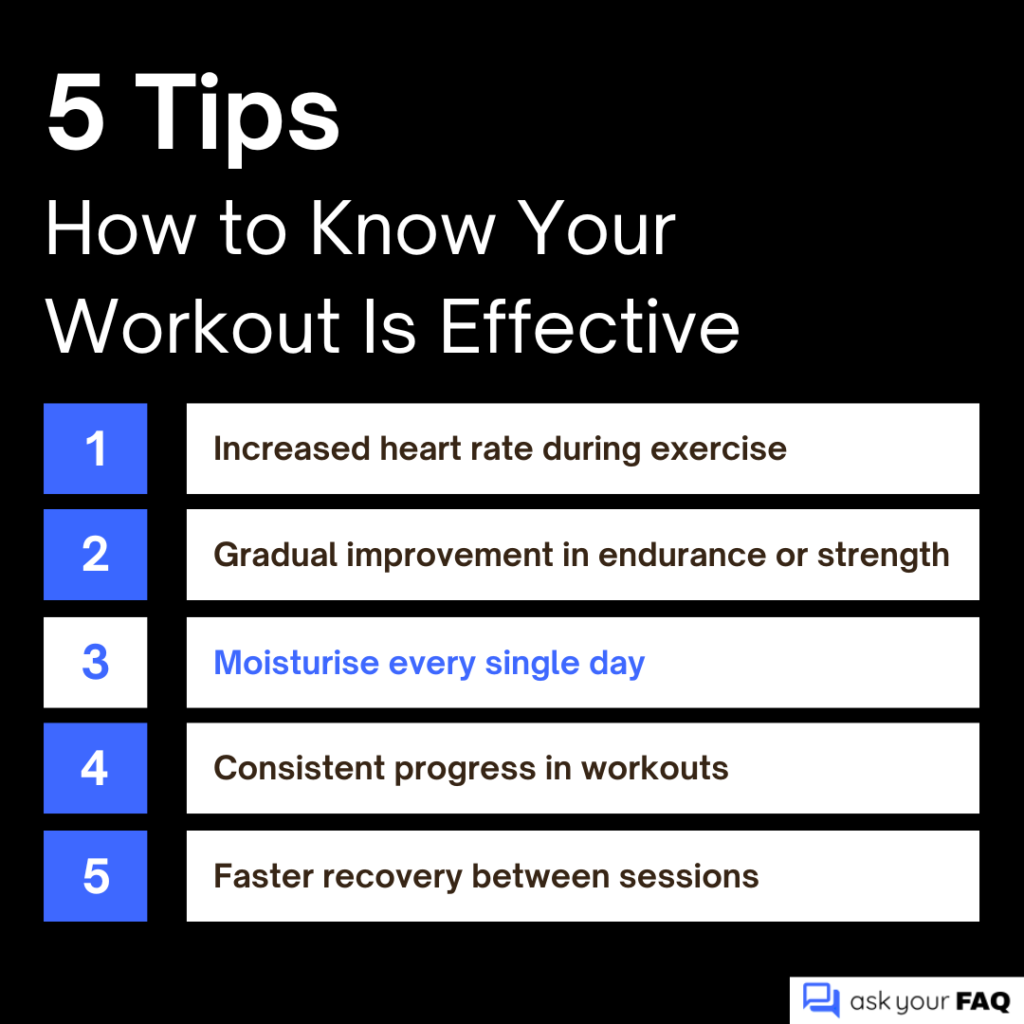
13. How to set fitness goals?
Setting effective fitness goals involves creating clear, realistic targets using the SMART method. This approach ensures goals are specific, measurable, achievable, relevant, and time-bound, making them easier to follow and track.
- Use SMART goals: Define clear and trackable fitness targets with a set timeframe.
- Start with small milestones: Break large goals into manageable steps, such as working out a few days each week.
- Track progress: Use fitness apps, journals, or trackers to monitor improvements
- Stay consistent: Schedule workouts regularly to build long-term habits
- Adjust goals when needed: Review progress and modify your plan based on results
Setting realistic goals and celebrating small achievements can improve motivation and support long-term fitness success.
Health, Lifestyle & Social Factors
14. Explain why there is a growing concern over the physical fitness of children and adolescents?
Concerns about children’s physical fitness are increasing due to rising childhood obesity, sedentary lifestyles, and poor nutrition. Many children are not getting the recommended daily physical activity, which increases the risk of long-term health problems such as diabetes and heart disease.
Key factors include:
- Excessive screen time and sedentary habits
- Reduced physical education and active play in schools
- Unhealthy diets, including fast food and sugary drinks
- Limited safe spaces for outdoor activities and exercise
15. Discuss why a physically active job does not guarantee better physical fitness.
Having a physically active job does not always mean a person is physically fit. Many jobs involve repetitive tasks or long periods of physical strain, which do not provide the balanced exercise needed to improve overall fitness.
- Work activities often involve repetitive movements that only use certain muscles.
- Physical tasks may lack the structured intensity needed for cardiovascular fitness.
- Continuous strain or heavy lifting can lead to fatigue and injuries
- Long work hours may not allow proper rest and recovery for the body
For overall fitness, people still need balanced exercise such as cardio, strength training, and flexibility activities outside of work.
16. Does vaping affect cardio fitness?
Yes, vaping can negatively affect cardiovascular fitness. Nicotine and other chemicals in vape products can increase heart rate, raise blood pressure, and reduce the body’s ability to deliver oxygen during exercise.
- Increased heart rate and blood pressure: Nicotine puts extra strain on the heart
- Reduced lung efficiency: Lower oxygen intake can cause fatigue and shortness of breath
- Blood vessel damage: Vaping may constrict and damage blood vessels
- Lower endurance: Exercise can feel harder, leading to decreased stamina and performance
Over time, these effects can increase the risk of cardiovascular problems and reduce overall cardio fitness.
Training Methods & Exercise Practices
17. How does a pedometer help people reach their fitness goals?
A pedometer helps people reach fitness goals by tracking the number of steps taken each day. This simple feedback increases awareness of daily activity and encourages people to move more throughout the day.
- Tracks daily steps so users can set and monitor activity goals
- Provides immediate feedback that motivates people to stay active
- Increases awareness of sedentary habits and encourages more movement
- Allows users to measure progress over time and stay consistent
- Supports health improvements such as weight loss and better blood pressure through regular physical activity
18. What does cutting mean in fitness?
Cutting in fitness is a short-term phase focused on reducing body fat while maintaining muscle mass. It is commonly used after a muscle-building phase to achieve a lean and more defined physique.
- Caloric deficit: Consuming fewer calories than the body burns to promote fat loss
- Resistance training: Continuing weight training to preserve muscle
- High protein intake: Eating enough protein to support muscle maintenance
- Added cardio: Increasing physical activity to boost calorie expenditure
- Typical duration: Usually lasts about 6 to 12 weeks
Cutting helps improve muscle definition and body composition, but is usually meant to be a temporary phase rather than a long-term diet.
Education & School-Based Fitness
19. What is personal fitness in high school?
Personal fitness in high school is a physical education course that focuses on improving individual health and fitness rather than team sports. It teaches students how to build healthy habits through exercise, nutrition, and goal setting.
- Individual training: Students learn exercises such as weight training, cardio, and flexibility workouts
- Fitness education: Covers the five components of fitness and basic exercise principles
- Health and wellness: Includes topics like nutrition, stress management, and injury prevention
- Goal setting: Students create and track their own personal fitness plans
- Lifelong habits: Encourages maintaining a healthy and active lifestyle beyond school
Fitness Careers & Industry Pathways
20. How to become a fitness model?
To become a fitness model, you need to build a lean, well-defined physique, create a professional portfolio, and actively promote yourself to brands and agencies. Success usually requires consistent training, a strong online presence, and networking within the fitness industry.
- Develop a fit physique: Maintain low body fat and strong muscle definition through regular training and proper nutrition.
- Create a portfolio: Include high-quality photos showing different poses, workout outfits, and natural full-body shots.
- Build a social media presence: Share workouts, fitness routines, and lifestyle content to attract brands and agencies.
- Find representation: Apply to modeling agencies that specialize in fitness modeling.
- Practice posing: Learn strong poses and become comfortable in front of the camera
- Network in the industry: Connect with photographers, brands, and professionals at fitness events
Consistency, professionalism, and persistence are important since the fitness modeling industry is competitive.
21. How to become a fitness influencer?
Becoming a fitness influencer involves building a strong online presence by sharing fitness-related content and connecting with an audience. Success usually comes from choosing a clear niche, posting consistently, and creating authentic content that provides value.
- Choose a niche: Focus on a specific area such as weight loss, strength training, yoga, or home workouts.
- Create consistent content: Share workout tips, routines, progress updates, or nutrition ideas.
- Be authentic: Show your real fitness journey, including progress and challenges.
- Engage with followers: Respond to comments and messages to build trust and community.
- Optimize your profile: Use a clear bio and professional photos that reflect your brand.
- Monetize opportunities: Work with brands, promote affiliate products, or sell fitness programs
Consistency and quality content are key to growing an audience and establishing credibility as a fitness influencer.
22. How to start a fitness blog?
Starting a fitness blog requires choosing a clear niche, creating valuable content, and promoting it consistently online. Focusing on a specific audience and publishing helpful information can help build authority and grow readership.
- Choose a niche: Focus on a specific topic such as beginner workouts, yoga, or strength training.
- Create a blog platform: Set up a self-hosted WordPress site with a clean, mobile-friendly design.
- Plan a content strategy: Write posts that answer common fitness questions or solve reader problems.
- Publish high-quality content: Use clear formatting, images, and detailed explanations.
- Apply basic SEO: Optimize posts so they can rank in search engines
- Promote content: Share posts on social media and connect with other fitness creators
- Stay consistent: Maintain a regular posting schedule to build audience trust and visibility
23. How to become an online fitness coach?
Becoming an online fitness coach involves gaining proper certification, choosing a target niche, and building an online presence to attract and train clients remotely.
- Get certified: Earn a recognized personal trainer certification, such as NASM, ACE, or ISSA, and obtain liability insurance.
- Choose a niche: Focus on a specific audience like beginners, athletes, or busy professionals.
- Create coaching services: Offer workout plans, nutrition guidance, and regular progress check-ins.
- Use digital tools: Platforms like Trainerize, TrueCoach, or My PT Hub help deliver training programs and track progress.
- Promote your services: Share fitness content, tips, and client results on social media to build credibility.
- Gain experience: Many coaches benefit from 6–12 months of in-person training experience before working fully online
Online fitness coaching typically combines personalized programs, virtual communication, and fitness tracking tools to guide clients remotely.
24. How to make money in fitness?
You can make money in the fitness industry by offering training services, creating digital products, and building an online presence. Many professionals combine multiple income streams to increase earnings.
- Personal training: Offer one-on-one coaching in person or online
- Group classes: Run boot camps, fitness classes, or specialized training sessions
- Online fitness programs: Sell workout plans, nutrition guides, or digital courses
- Social media and influencer marketing: Partner with brands or earn through affiliate promotions
- Corporate wellness programs: Provide fitness sessions or workshops for companies
- Fitness products: Sell merchandise, equipment, or branded fitness resources
Successful fitness professionals often increase income by scaling their services through online programs, digital products, or fitness apps.
What Do These Fitness Concepts Mean for Real-World Performance?
Understanding fitness requires more than isolated definitions. Concepts such as goal setting, cardiovascular capacity, training methods, and lifestyle influences work together to shape physical performance and long-term health. Examining these topics collectively provides a clearer perspective on how fitness is assessed, improved, and applied across education, training, and professional pathways.
As exercise science and the fitness industry continue to evolve, one question remains: how can emerging knowledge and technology further refine the way fitness is measured and developed in the future?